
Maximizing Your Business with Uninterruptible Power Supply
Power outages and electrical disturbances can cause serious disruptions to business operations. Whether you run a small retail store, a busy restaurant, or a large office, losing power unexpectedly can lead to lost revenue, damaged equipment, and frustrated customers. An uninterruptible power supply (UPS) offers a reliable solution to keep your business running smoothly during power interruptions.
This post explores how a UPS can protect your business, improve productivity, and save money. You will learn the key benefits of UPS systems, how to choose the right one, and practical tips for installation and maintenance.
What Is an Uninterruptible Power Supply?
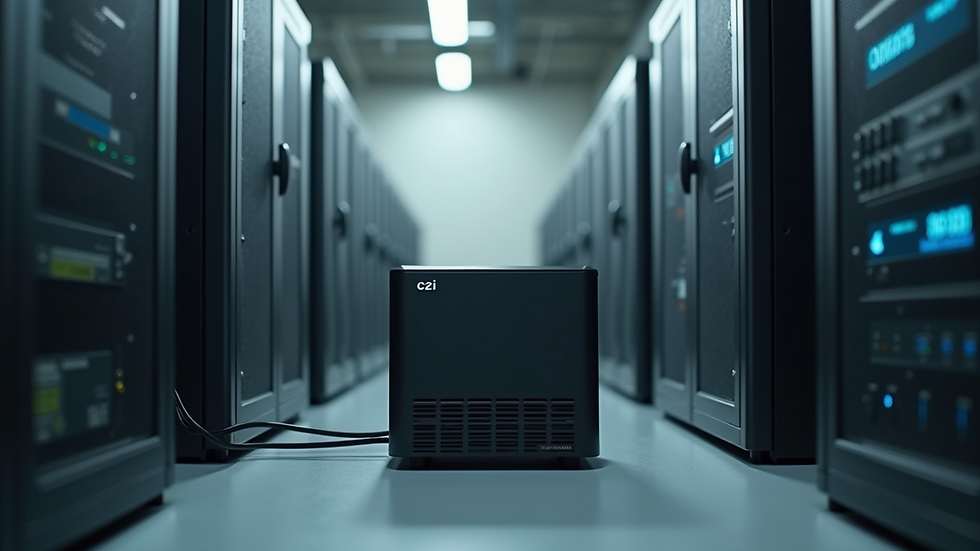
A UPS is a device that provides emergency power to your equipment when the main power source fails. It contains batteries that kick in instantly to keep your devices running without interruption. This prevents data loss, hardware damage, and downtime.
Unlike a backup generator, a UPS activates immediately without delay or noise. It also protects against power surges, voltage drops, and electrical noise that can harm sensitive electronics.
Why Your Business Needs a UPS
Power interruptions happen more often than many realize. Even brief outages can cause:
Loss of unsaved work and data corruption
Shutdown of critical systems like point-of-sale terminals or security cameras
Damage to computers, servers, and networking gear
Reduced customer satisfaction due to service delays
A UPS helps avoid these problems by providing a buffer of clean, stable power. This means your business can continue operating smoothly during outages or fluctuations.
Protecting Data and Equipment
For businesses that rely on computers and servers, data loss is a major risk during power failures. A UPS gives you time to save work and shut down systems properly. It also prevents sudden power cuts that can damage hardware components.
Maintaining Customer Service
Retail stores, restaurants, and service providers depend on uninterrupted power to serve customers. A UPS keeps cash registers, credit card machines, and communication devices running. This reduces wait times and keeps customers happy.
Avoiding Financial Loss
Downtime costs money. Lost sales, wasted labor, and repair bills add up quickly. Investing in a UPS can save thousands by preventing these losses.
Types of UPS Systems for Businesses
Choosing the right UPS depends on your business size, equipment, and power needs. Here are the main types:
Standby UPS
This is the most basic and affordable type. It provides battery power only when the main supply fails. It suits small businesses with minimal equipment.
Line-Interactive UPS
This type regulates voltage fluctuations and provides battery backup. It works well for businesses with moderate power needs and sensitive electronics.
Online UPS
This offers the highest level of protection by continuously supplying power from its batteries. It isolates equipment from all power problems. Ideal for data centers and businesses with critical systems.
How to Choose the Right UPS for Your Business
Selecting a UPS requires understanding your power requirements and equipment. Consider these factors:
Power capacity: Calculate the total wattage of devices you want to protect.
Backup time: Decide how long you need to keep running during an outage.
Number of outlets: Ensure the UPS has enough sockets for your devices.
Form factor: Choose between tower, rack-mounted, or compact models based on space.
Additional features: Look for surge protection, LCD displays, and software for monitoring.
Consulting with an electrician or UPS specialist can help you find the best fit.
Installing and Maintaining Your UPS
Proper installation and upkeep ensure your UPS works when you need it most.
Place the UPS in a cool, dry area with good ventilation.
Connect only essential devices to avoid overloading.
Test the UPS regularly by simulating power failures.
Replace batteries every 3 to 5 years or as recommended.
Keep the UPS clean and dust-free.
Real-World Examples of UPS Benefits
Retail Store
A local clothing shop installed a line-interactive UPS to protect its point-of-sale system. During a recent blackout, the UPS kept the register running for 20 minutes, allowing staff to complete transactions and save sales data. This prevented lost revenue and customer frustration.
Small Office
A graphic design firm uses an online UPS to safeguard its computers and servers. When a storm caused a power surge, the UPS prevented damage to expensive equipment and gave employees time to save their work. The firm avoided costly repairs and data recovery.
Final Thoughts on UPS for Business Success
Power interruptions can disrupt your business and cost money. A UPS offers a practical way to keep your operations running smoothly, protect equipment, and maintain customer trust. By choosing the right UPS and maintaining it well, you build resilience against power problems.
Take the next step by assessing your power needs and exploring UPS options. Investing in reliable power backup is a smart move that pays off in stability and peace of mind.

Comments